The Importance of Scheduling Regular Eye Exams

How Often Should You Get an Eye Exam?
Why Routine Eye Care Matters
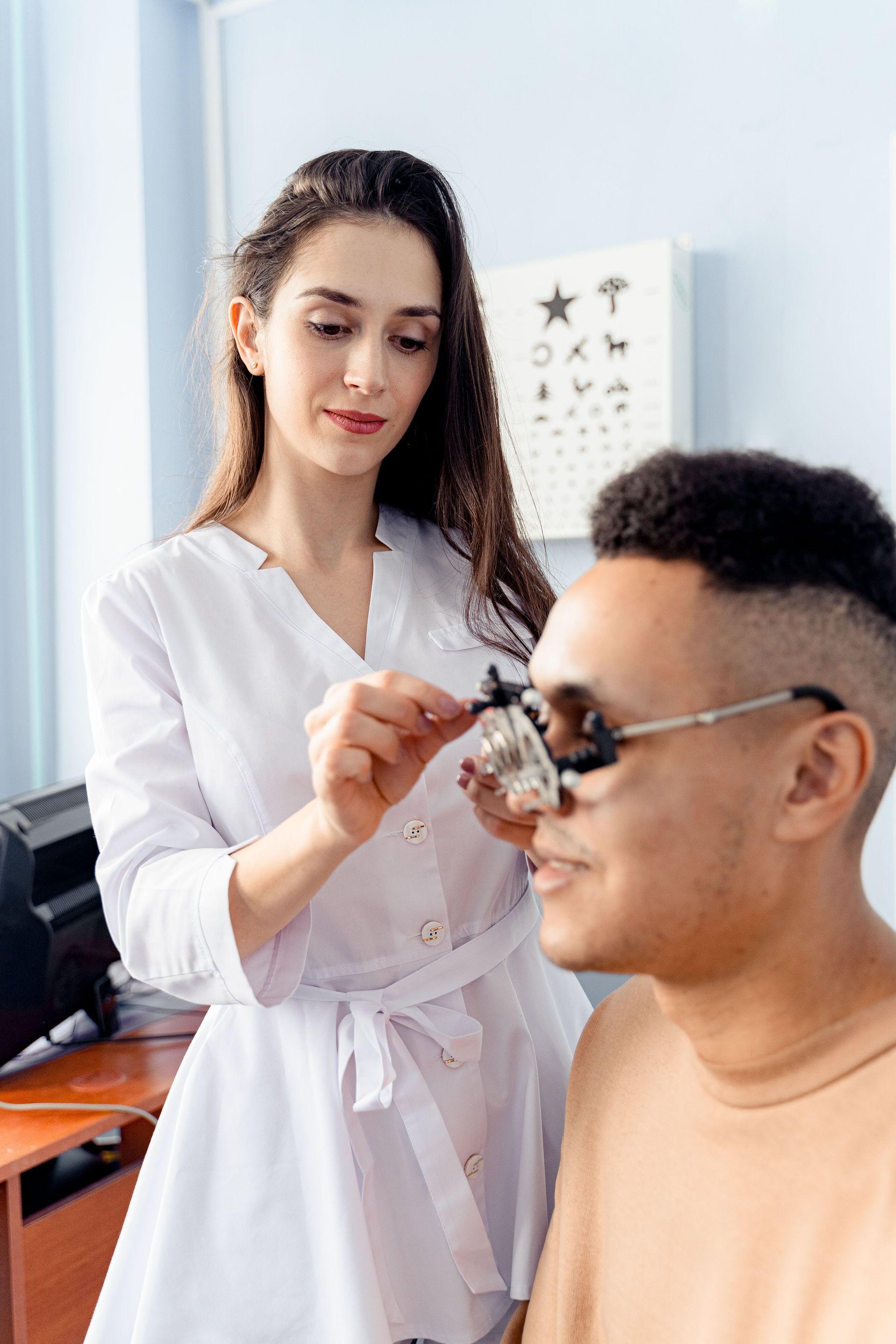
It’s easy to think about scheduling an eye exam only when your glasses no longer feel strong enough or you start having trouble reading the fine print. But a comprehensive eye exam is about much more than determining whether your prescription has changed.
Routine eye exams play an important role in protecting your vision, monitoring your eye health, and identifying potential concerns—sometimes before you notice any symptoms at all.
At FrameUp Eyewear, we believe great vision starts with great eye care. So, how often should you have your eyes examined, and why is it so important to stay on schedule?
How Often Should Adults Get an Eye Exam?
There isn't one schedule that's right for everyone. How frequently you should have a comprehensive eye exam depends on factors such as your age, overall health, family history, whether you wear corrective lenses, and your individual risk for certain eye conditions.
For many healthy adults with no known vision or eye-health concerns, an eye exam every one to two years may be appropriate. As you get older, your eye doctor may recommend more frequent examinations, particularly because the risk of certain eye conditions increases with age.
People who wear glasses or contact lenses may also benefit from more regular visits to make sure their prescription continues to provide clear, comfortable vision.
Most importantly, follow the schedule recommended by your eye doctor. Certain medical conditions, medications, family histories, or previous eye-health findings may mean your eyes should be examined more frequently.
Your Vision Can Change Gradually
One reason routine exams are so important is that changes in vision aren't always obvious.
When your prescription shifts slowly, you may simply adapt. You might find yourself squinting a little more, moving closer to your computer, increasing the font size on your phone, or avoiding driving at night without realizing that your vision has changed.
An eye exam can identify these changes and determine whether an updated prescription could give you sharper, more comfortable vision.
And if you've been wearing the same glasses for years, you may be surprised by just how much of a difference the right prescription and quality lenses can make.
Eye Exams Look at More Than How Well You Can See
Being able to read the eye chart is only one part of your eye health.
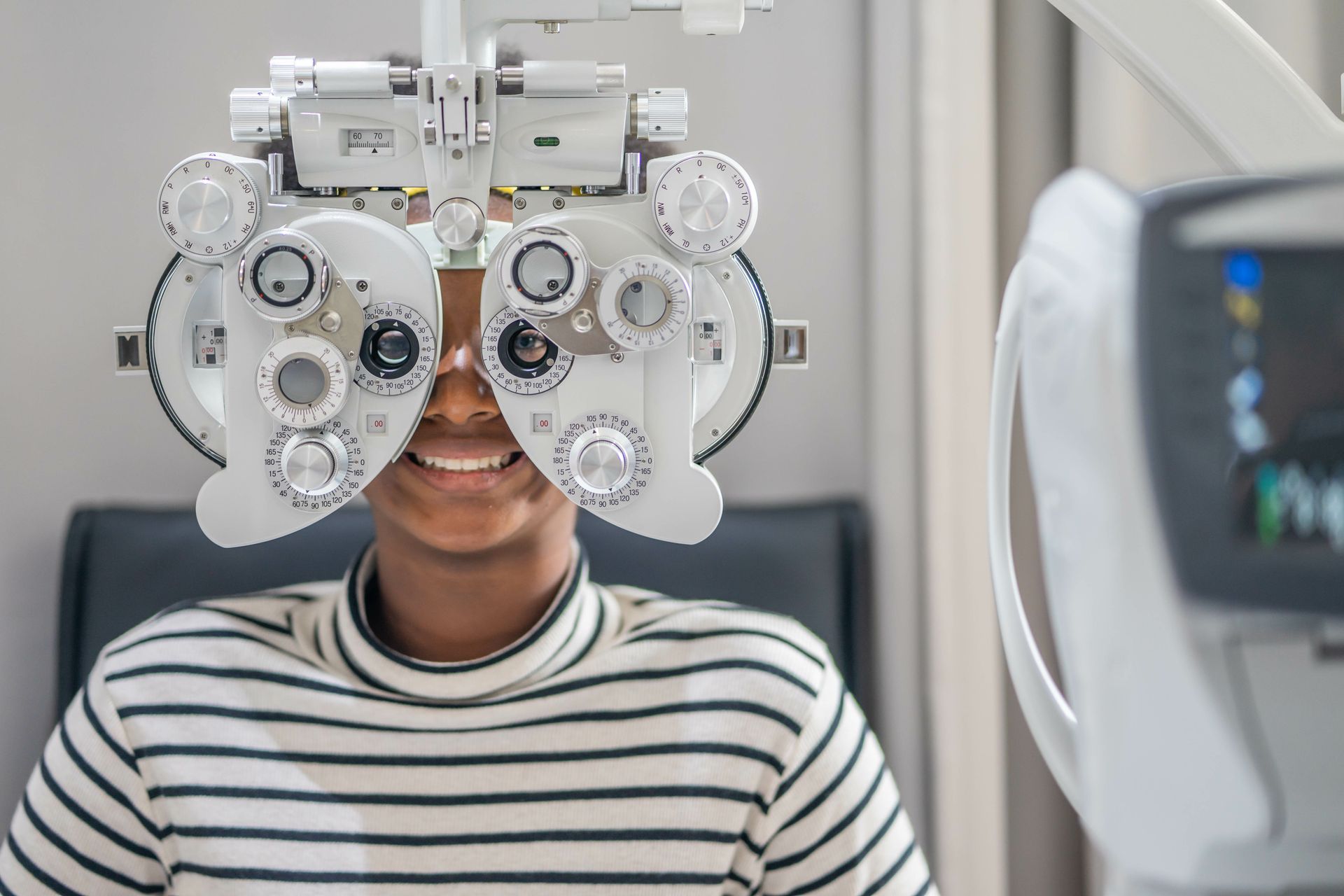
A comprehensive eye exam gives your eye doctor an opportunity to evaluate different aspects of your eyes and vision. Depending on the examination and your individual needs, your doctor may assess eye coordination and focusing, eye pressure, the health of structures within the eye, and other indicators of ocular health.
This can help identify signs associated with conditions such as glaucoma, cataracts, macular degeneration, and diabetic eye disease.
Some eye conditions can develop without noticeable symptoms in their earliest stages. That's one of the biggest reasons not to wait until something feels wrong before scheduling an appointment.
Your Eyes Can Offer Clues About Your Overall Health
Your eyes are unique because they allow healthcare professionals to directly observe blood vessels and other structures within the body.
During an eye examination, certain findings may provide clues that warrant further evaluation by your healthcare provider. Changes within the eyes can sometimes be associated with systemic health conditions such as diabetes and high blood pressure.
An eye exam isn't a replacement for routine medical care, but it can be another valuable piece of the bigger picture when it comes to taking care of your health.
What About Digital Eye Strain and Blue Light?
For many of us, our eyes are working overtime. Between computers at work, smartphones throughout the day, and streaming or scrolling in the evening, digital screens have become nearly impossible to avoid.
Extended screen use can contribute to symptoms of digital eye strain, including tired or uncomfortable eyes, headaches, blurred vision, dryness, and difficulty shifting focus. If you're experiencing these symptoms regularly, an eye exam is a great opportunity to talk about how you use your eyes throughout the day.
Your eye doctor can determine whether an outdated prescription, focusing demands, dry eye, screen habits, glare, or another factor may be contributing to your discomfort.
This is also a good time to discuss whether blue-light filtering lenses make sense for your lifestyle. These specialized lenses are designed to filter certain wavelengths of blue light and may help some wearers achieve a more comfortable visual experience, particularly when paired with a quality anti-reflective treatment.
Blue-light lenses aren't a substitute for healthy screen habits, and research has not established everyday blue light from digital devices as a major cause of eye damage. However, for people who spend much of their day looking at screens, blue-light filtering technology can be one option to consider as part of a personalized lens solution.
Simple habits matter, too. Following the 20-20-20 rule—looking approximately 20 feet away for at least 20 seconds every 20 minutes—along with blinking regularly, reducing unnecessary glare, and taking breaks from screens can help give your eyes a much-needed rest.
Don't Wait for Blurry Vision
One of the most common mistakes people make is assuming they don't need an eye exam because they can still see clearly.
Clear vision doesn't necessarily tell the whole story.
Routine examinations create an opportunity to establish a baseline for your eye health and monitor changes over time. That history can be especially valuable as you get older or if new concerns develop.
Of course, you also shouldn't wait for your next routine appointment if you notice a sudden or significant change in your vision. New flashes or floaters, sudden vision loss, double vision, significant eye pain, or other abrupt changes should be evaluated promptly by an appropriate eye-care professional.
Better Vision Starts With the Right Prescription—and the Right Lenses
Your prescription is the foundation, but your lenses are where that prescription comes to life.
Once your eye exam is complete, choosing high-quality lenses and having them properly fitted can make a tremendous difference in how your glasses perform throughout the day. Lens materials, anti-reflective treatments, progressive designs, blue-light filtering lenses, computer-specific options, and other technologies can all be considered based on your lifestyle and visual needs.
For example, someone who spends eight hours a day working across multiple computer monitors may have very different lens needs than someone who spends most of the day outdoors or frequently drives at night. An experienced optical professional can help you understand those differences and recommend options that make sense for the way you actually live.
That's also why buying glasses isn't simply about choosing a frame you like. Working with an experienced optician allows your prescription, lenses, measurements, and frame to work together as one complete system.
Make Your Eye Health a Priority at FrameUp Eyewear
An eye exam shouldn't be something you schedule only when you can't see clearly anymore. It's an important part of maintaining your vision, monitoring your eye health, and making sure your eyewear continues to meet the demands of your everyday life.
At FrameUp Eyewear, we're passionate about helping you see exceptionally—and look incredible doing it. From comprehensive eye exams to premium lens options, including blue-light filtering and anti-reflective technologies, and our collection of distinctive independent eyewear, we're here to make taking care of your vision an experience you can actually look forward to.
Is it time for your next eye exam? Contact FrameUp Eyewear today to schedule your appointment and discover eyewear and lens options designed around you.